New York Farmers Work to Shield Orchards from Spring Frost
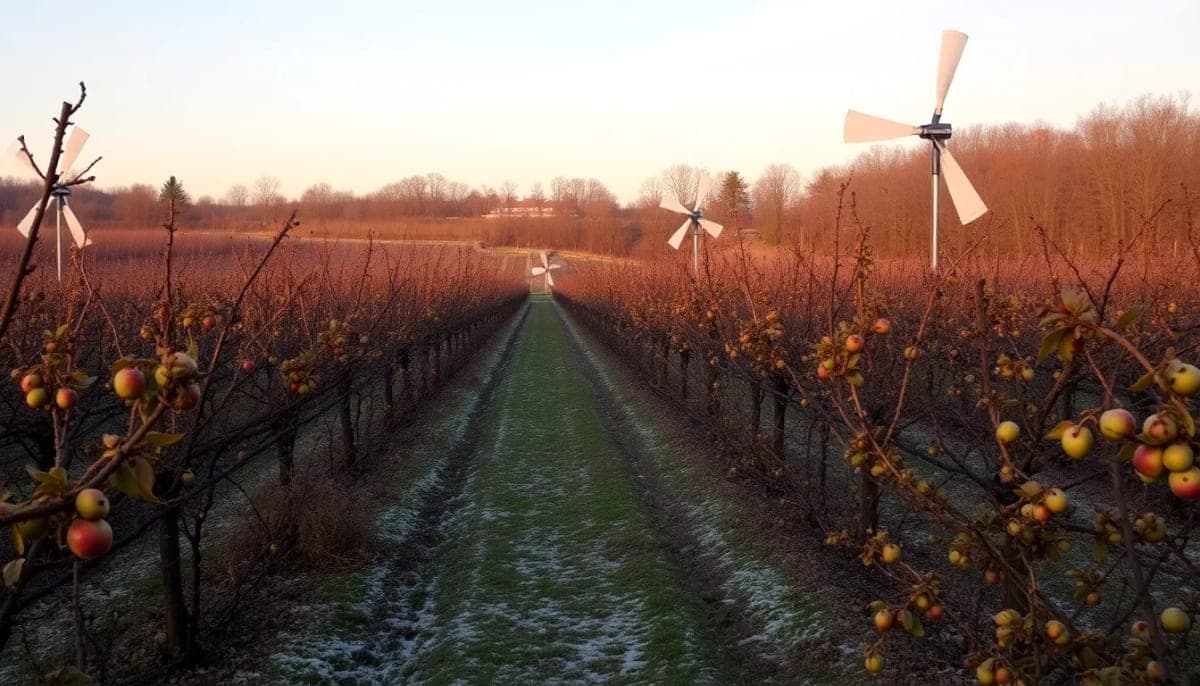
Local apple orchards in Westchester are employing multiple strategies to safeguard their crops against unexpected spring frosts, which could jeopardize this year’s harvest.
Strategies for Frost Protection
In response to unpredictable cold snaps this spring, apple orchard owners in Westchester County are taking significant steps to protect their crops. Utilizing advanced techniques, including wind machines and sprinklers, these farmers aim to prevent frost damage, which can devastate delicate blossoms.
This year, temperatures have dipped unexpectedly, leading to concerns among growers about the impact on the apple harvest. Chris Sweeney of Sweeney Farms in Westchester highlights the urgency, stating, "Our blossoms are particularly vulnerable at this stage, and even a light frost could result in a significant loss of fruit."
Wind Machines and Water Applications
Farmers are deploying wind machines that create air circulation to keep temperatures up around the apple blossoms. These machines can be pivotal in areas where temperatures are reported to drop at night. Additionally, using sprinklers to coat the trees in water helps to form a protective layer of ice, which can insulate the buds from freezing temperatures.
According to local agronomists, while these methods are effective, they require careful timing and understanding of weather patterns. “Knowing when to activate these systems is crucial,” says Sarah Martinez, a Westchester agricultural extension specialist.
More than 50% of the apple farmers in the area have reported implementing these protection strategies, showcasing a community-wide effort to mitigate the risks associated with spring frosts. As the season progresses, many are hopeful that their proactive measures will pay off with a bountiful harvest this year.
Community Impact
The apple industry holds significant economic importance in Westchester, contributing to local jobs and attracting tourism during harvest festivals. Protecting the orchards not only supports the local economy but also preserves the cultural heritage tied to apple farming in the region. Farmers remain optimistic that with shared knowledge and resources, they can overcome the challenges posed by unpredictable spring weather.