Understanding 'True Threats' Under New York Law: The McVey Case
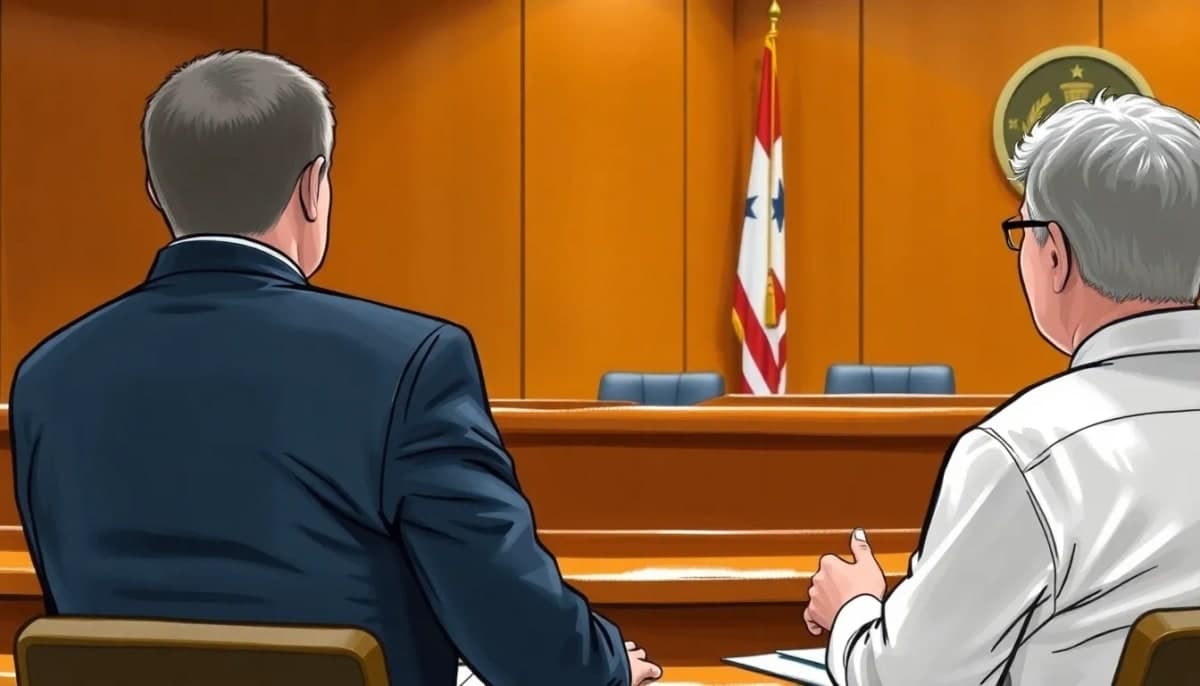
The McVey case explores the definition of 'true threats' in New York law, crucial for community safety. This legal interpretation impacts how threats are addressed locally.
Legal Context of 'True Threats'
In New York, the term 'true threat' signifies a serious expression of intent to commit harm or violence, significantly shaping legal proceedings. The McVey case has brought this definition into focus amid growing concerns about personal safety.
The McVey Case Details
The McVey case arises from several comments made by individual John McVey that sparked alarm within communities. These statements were deemed to potentially instill fear and anxiety, leading to a court examination of their implications under New York law. The evaluation specifically looks at whether McVey's remarks constitute a 'true threat' as legally defined.
Community Implications
This case has significant importance for Westchester residents, as legal definitions surrounding threats can impact law enforcement responses and preventative measures in the area. Understanding the criteria for a 'true threat' is vital for community safety, guiding how allegations are assessed by local authorities.
Future Legal Precedents
The outcome of this case may set important legal precedents for how other similar cases are handled in the future, indicating a potential shift in both judicial interpretations and community protective strategies. Residents and legal analysts alike are closely monitoring these developments to gauge their impact on local law enforcement practices.


