New York's Electric Building Law Faces Uncertainty Amid Rising Costs
New York's all-electric building law is in legal uncertainty as housing costs rise and energy demands increase, impacting Westchester residents.
Law's Current Status
New York’s all-electric building law, designed to promote energy efficiency, is facing legal challenges that could delay its implementation. As housing prices continue to increase, the pressure on the state’s energy grid also rises, creating urgency around the law.
Impact on Housing and Energy
This law aims to ensure that new residential buildings are entirely electric, minimizing reliance on fossil fuels. Advocates argue that this transition is necessary to combat climate change and facilitate sustainable urban development in Westchester County. However, the ongoing legal battles have resulted in uncertainty for developers and homeowners.
Developer Concerns
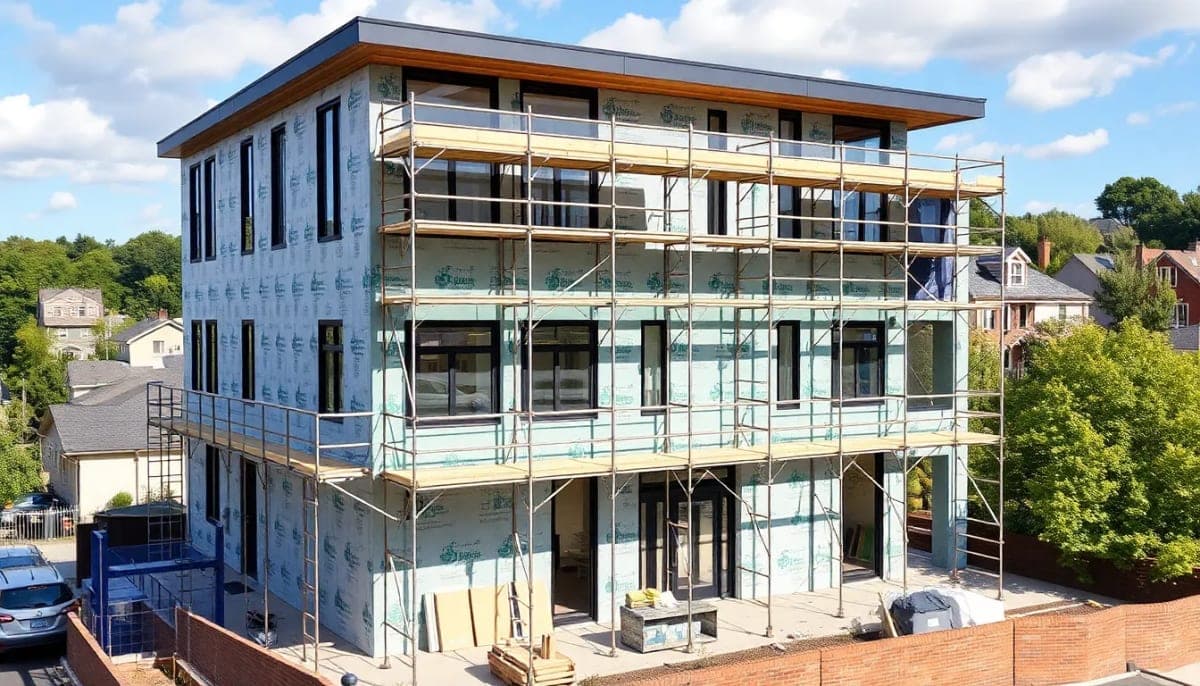
Builders are concerned that the law’s delays may hinder construction projects, thereby exacerbating the housing shortage in the area. Current construction costs have surged, with significant increases in materials and labor due to inflation. The New York Construction Industry Reports indicate that 2025 initial construction costs jumped by 20%, prompting developers to reassess project feasibility.
Community Reactions
Local community leaders emphasize that while the intention of the law is commendable, the current costs could push housing further out of reach for many residents. A recent survey showed that 65% of Westchester residents support sustainable building practices, but also fear that further delays may lead to higher future building costs.
Future Considerations
As the state grapples with this legislative and energy challenge, the Department of Buildings is exploring interim guidelines that could ease the burden on new developments while still fulfilling environmental goals. The situation remains dynamic, with critical discussions ongoing about how to balance sustainable practices and affordable housing in Westchester.