Hostile Architecture Sparks Debate on Homelessness in Westchester
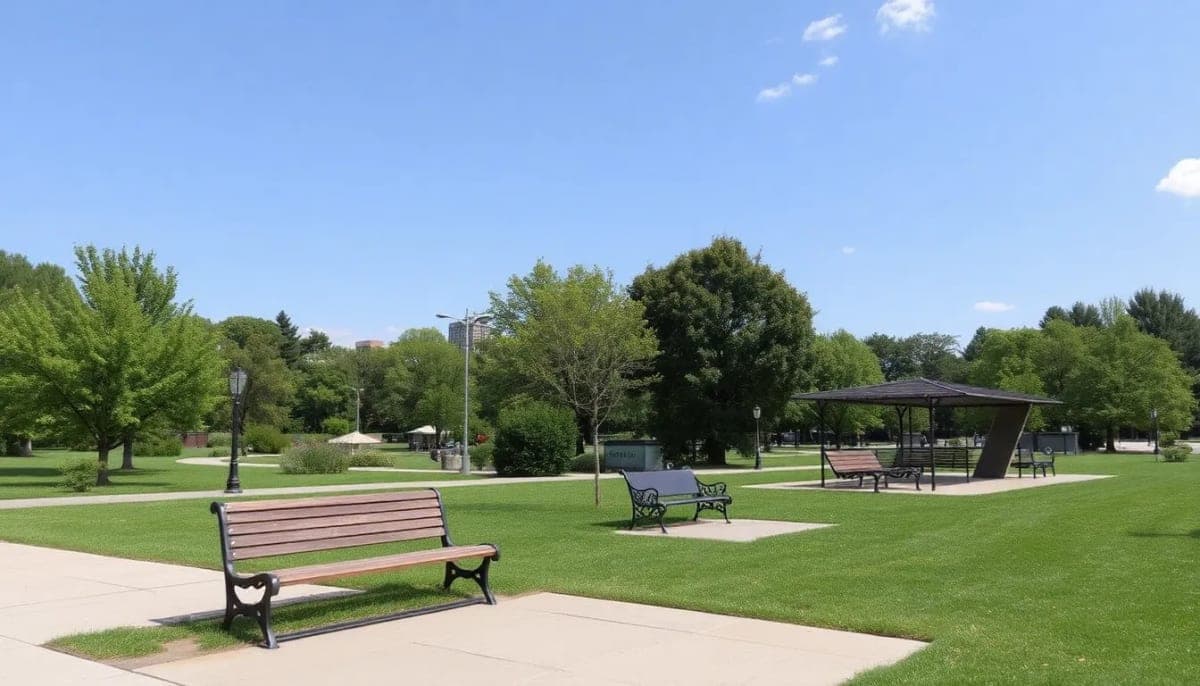
Recent discussions in Westchester highlight the issues caused by hostile architecture, which aims to deter the homeless from public spaces. Local advocates worry this approach exacerbates homelessness and neglects community solutions.
Hostile Architecture and Its Impact
In Westchester, the rise of hostile architecture—design elements that deter homeless individuals from using public spaces—has ignited significant debate. This approach often includes features like anti-homeless spikes, benches designed to prevent lying down, and other barriers aimed at making public areas less hospitable for those without shelter.
Community Reactions
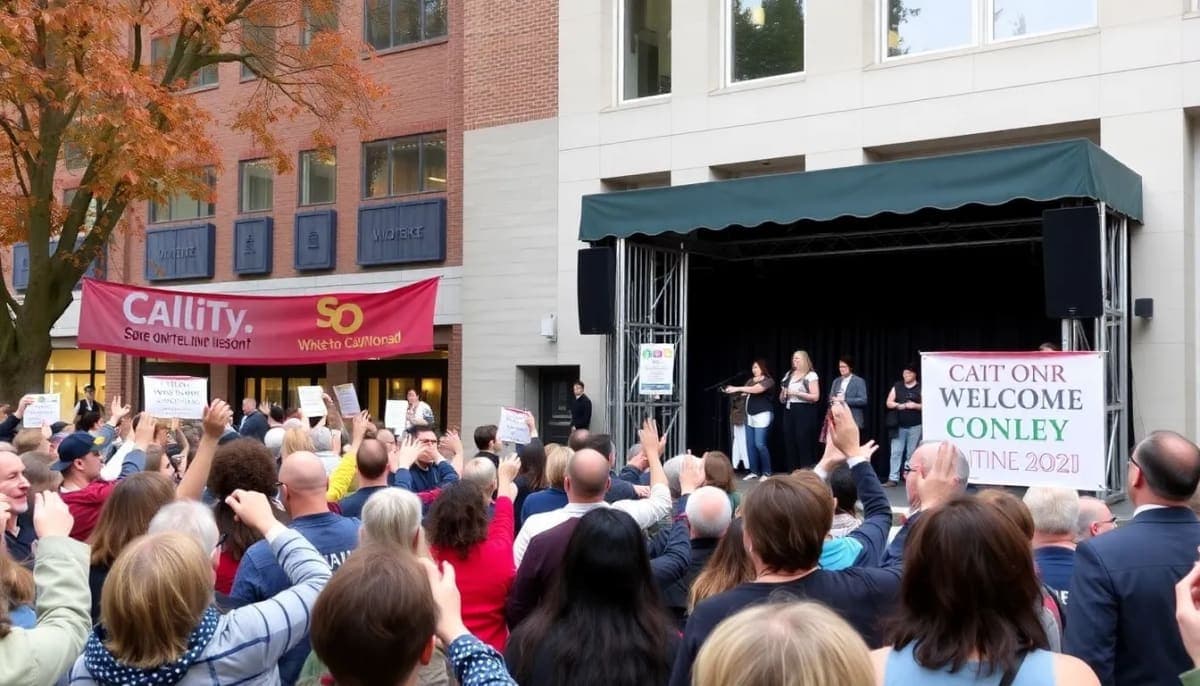
Advocates for the homeless express serious concerns that these measures do not address the root causes of homelessness but instead shift the problem out of sight. Local organizations are calling for a reevaluation of urban design that prioritizes inclusivity and empathy rather than exclusion.
Statistics and Future Plans
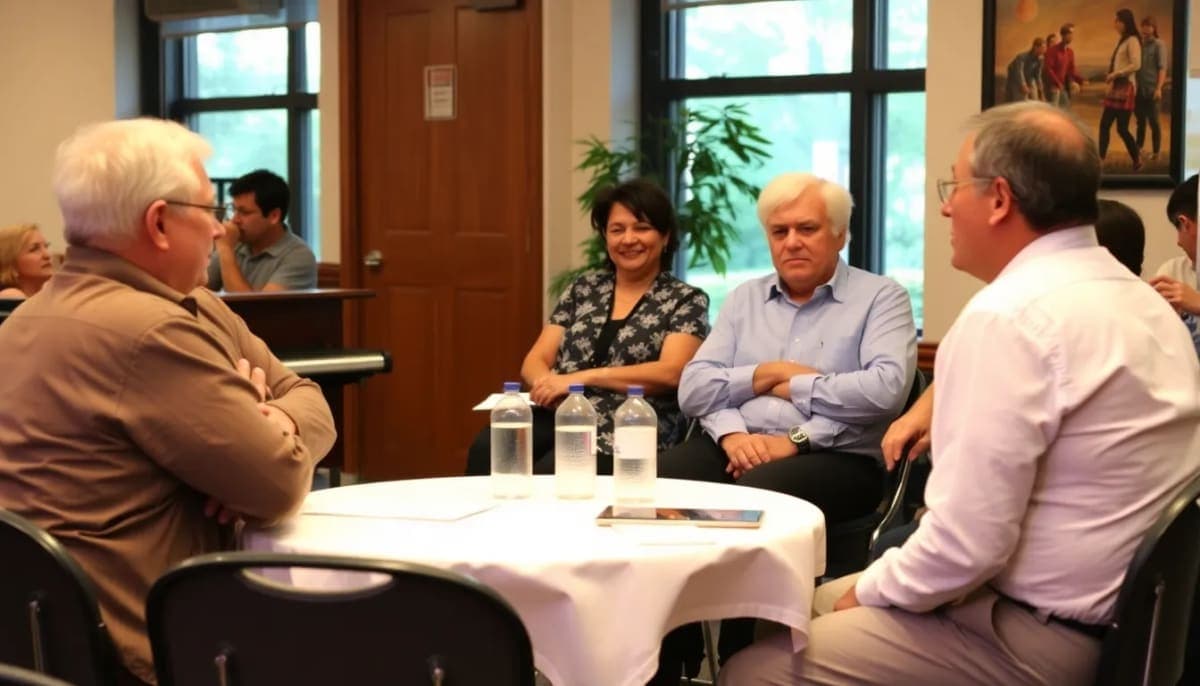
According to recent studies, approximately 2,500 individuals experience homelessness in Westchester County, a figure that continues to rise. Activists argue that public funds allocated to implementing hostile architecture could be better spent on supportive housing and mental health resources. Community forums are being organized to discuss alternative strategies that focus on providing shelter and support to those in need.
Voices from the Community
“We need to foster a community that cares for its most vulnerable members, not one that pushes them away,” said a representative from a local advocacy group. The push for more humane solutions is gaining momentum as community members rally for a shift in perspective regarding homelessness.
Conclusion
As Westchester grapples with its homelessness crisis, the ongoing debate over hostile architecture highlights the urgent need for compassionate actions. Stakeholders from various sectors are encouraged to consider the broader implications of urban design on all residents.